In today’s fast-paced world, real-time package tracking has become essential for businesses and consumers alike, transforming the delivery experience fundamentally.

🚀 The Modern Delivery Landscape Demands Transparency
The expectations surrounding package delivery have evolved dramatically over the past decade. Customers no longer accept vague delivery windows or uncertainty about their shipments. They demand precise information, instant updates, and complete visibility into every stage of the delivery process. This shift in consumer behavior has forced businesses to adopt sophisticated tracking technologies that provide real-time insights into package locations and estimated arrival times.
Real-time package tracking systems have emerged as the solution to this demand, offering unprecedented transparency throughout the entire delivery journey. These systems leverage GPS technology, barcode scanning, mobile connectivity, and cloud-based platforms to create a comprehensive ecosystem that benefits everyone involved in the delivery chain.
Understanding Real-Time Package Tracking Technology
Real-time tracking systems operate through an interconnected network of technologies working seamlessly together. At the core, GPS-enabled devices attached to delivery vehicles transmit location data continuously to central servers. This information is processed instantaneously and made available through user-friendly interfaces accessible via websites and mobile applications.
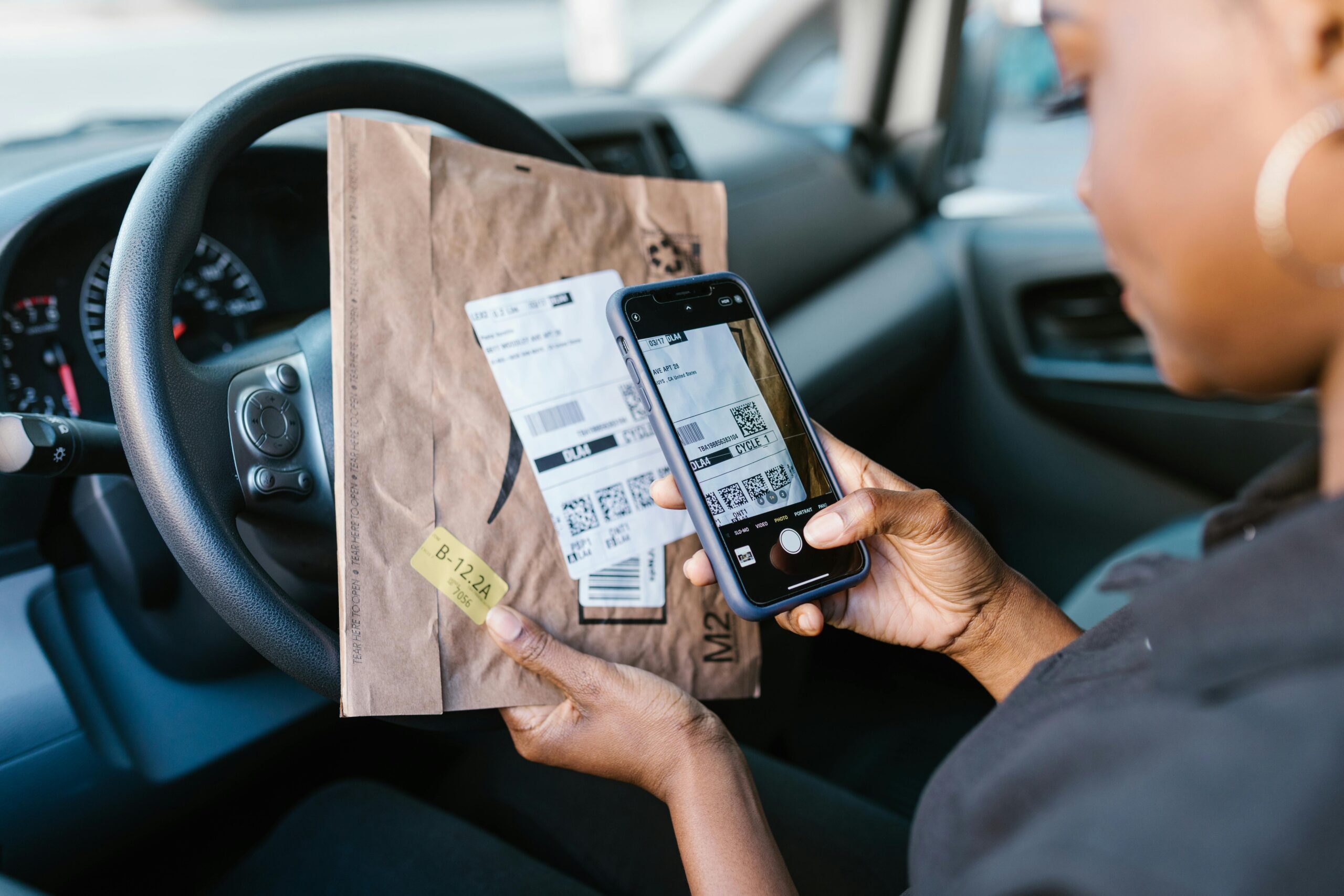
The technology extends beyond simple location tracking. Modern systems incorporate barcode and QR code scanning at multiple checkpoints throughout the delivery process. Each scan creates a digital footprint, documenting when and where packages transition between different stages of their journey. This granular level of detail provides stakeholders with comprehensive visibility into package status.
Advanced systems also integrate predictive analytics, using historical data and current traffic conditions to calculate accurate delivery estimates. Machine learning algorithms continuously improve these predictions, accounting for variables such as weather patterns, route optimization, and delivery driver performance metrics.
📊 Quantifiable Benefits for Businesses
Implementing real-time tracking systems delivers measurable improvements across multiple business metrics. Companies report significant reductions in customer service inquiries related to package location and delivery status. This decrease in support tickets translates directly into cost savings, allowing customer service teams to focus on more complex issues requiring human intervention.
Operational efficiency improvements manifest in various ways. Route optimization features help delivery drivers complete more deliveries per shift while reducing fuel consumption. Dispatchers gain better oversight of their entire fleet, enabling them to make informed decisions about resource allocation and respond quickly to unexpected situations.
The data generated by tracking systems provides valuable insights into delivery performance. Businesses can identify bottlenecks in their logistics chains, analyze delivery times across different regions, and measure individual driver performance. These analytics enable continuous improvement initiatives based on concrete evidence rather than assumptions.
Cost Reduction Through Enhanced Visibility
Real-time tracking significantly reduces costs associated with lost or misrouted packages. When every package movement is documented and monitored, the likelihood of items going missing decreases substantially. When issues do occur, the detailed tracking history enables rapid problem resolution, minimizing compensation costs and maintaining customer satisfaction.
Insurance premiums for high-value shipments often decrease when comprehensive tracking systems are in place. Insurance providers recognize that real-time monitoring reduces risk, and they adjust premiums accordingly. Additionally, the documentation provided by tracking systems serves as valuable evidence when disputes arise regarding delivery completion or package condition.
🎯 Customer Experience Enhancement
The customer experience transformation resulting from real-time tracking cannot be overstated. Consumers appreciate the control and visibility that tracking provides. Rather than waiting anxiously for deliveries, customers can proactively plan their schedules around accurate delivery windows. This convenience factor has become a significant competitive differentiator in e-commerce and logistics industries.
Proactive communication features represent another customer experience enhancement. Automated notifications alert customers about significant package milestones—dispatch confirmation, out for delivery status, and successful delivery. These touchpoints keep customers informed without requiring them to actively check tracking information, creating a frictionless experience.
The psychological impact of visibility should not be underestimated. When customers can see their package moving toward them on a map, anxiety about delivery uncertainty diminishes. This peace of mind contributes to overall satisfaction and increases the likelihood of repeat business.
Building Trust Through Transparency
Transparency builds trust between businesses and customers. When companies provide comprehensive tracking information, they demonstrate confidence in their delivery capabilities and respect for customer concerns. This transparency becomes particularly important when delivery delays occur—customers are far more understanding when they receive honest, real-time updates about problems rather than discovering issues only after expected delivery times have passed.
Implementation Strategies for Businesses
Successfully implementing real-time tracking systems requires careful planning and execution. Businesses should begin by assessing their current logistics infrastructure and identifying specific pain points that tracking technology can address. This assessment should involve input from multiple stakeholders, including operations managers, IT departments, customer service teams, and delivery personnel.
Choosing the right tracking solution depends on various factors including business size, delivery volume, geographic coverage area, and budget constraints. Some businesses opt for comprehensive logistics platforms that integrate tracking with other operational tools, while others select specialized tracking solutions that connect with existing systems through APIs.
Employee training represents a critical implementation component. Delivery drivers must understand how to use scanning devices correctly and consistently. Customer service representatives need thorough knowledge of the tracking system interface to assist customers effectively. Management personnel require training on analytics dashboards to extract actionable insights from tracking data.
Integration with Existing Systems
Modern tracking platforms offer integration capabilities with existing business systems including inventory management, order processing, and customer relationship management software. These integrations create seamless data flow across the organization, eliminating manual data entry and reducing errors. API connections enable real-time synchronization, ensuring all systems reflect current package status accurately.
📱 Mobile Technology’s Central Role
Mobile technology serves as the backbone of contemporary tracking systems. Smartphones equipped with GPS capabilities, cameras for barcode scanning, and internet connectivity function as powerful data collection devices. Delivery drivers use mobile applications to update package status instantly, photograph proof of delivery, and collect digital signatures.
For customers, mobile applications provide convenient access to tracking information wherever they are. Push notifications deliver instant updates about package progress, and interactive maps display real-time driver locations during final delivery stages. Mobile-optimized tracking interfaces ensure excellent user experiences across different devices and screen sizes.
The widespread adoption of smartphones has democratized access to tracking information. Customers no longer need to be at their computers to monitor deliveries—they carry tracking capabilities in their pockets at all times. This constant connectivity has raised expectations for immediacy and responsiveness in delivery communications.
Security and Privacy Considerations
Real-time tracking systems handle sensitive information including customer addresses, delivery schedules, and location data. Robust security measures must protect this information from unauthorized access. Encryption protocols secure data transmission between mobile devices, servers, and customer interfaces. Access controls ensure that only authorized personnel can view specific tracking information.
Privacy regulations such as GDPR and CCPA impose requirements on how businesses collect, store, and use customer data. Tracking system implementations must comply with these regulations, providing customers with transparency about data usage and offering control over their information. Clear privacy policies and consent mechanisms build customer confidence in tracking technologies.
Businesses should implement data retention policies that balance operational needs with privacy principles. Tracking data serves valuable analytical purposes, but indefinite storage of detailed location information creates unnecessary privacy risks. Automated data deletion schedules ensure compliance while maintaining useful historical records.
🌟 Advanced Features Elevating Tracking Systems
Beyond basic location tracking, advanced features significantly enhance system value. Geofencing technology creates virtual boundaries around delivery zones, triggering automated actions when packages enter or exit defined areas. These capabilities enable precise notifications—customers can receive alerts when delivery vehicles are precisely five minutes away rather than vague “out for delivery” messages.
Temperature monitoring adds crucial capability for sensitive shipments. Sensors integrated with tracking devices monitor environmental conditions throughout transit, ensuring perishable goods, pharmaceuticals, and temperature-sensitive products maintain proper conditions. Real-time alerts notify relevant parties immediately when temperature thresholds are exceeded, enabling rapid intervention.
Multi-carrier tracking consolidates information from various shipping providers into unified interfaces. Customers benefit from single-source tracking regardless of which carrier handles their package. Businesses gain comprehensive visibility across their entire logistics ecosystem without managing multiple separate tracking platforms.
Predictive Analytics and Artificial Intelligence
Artificial intelligence enhances tracking systems through predictive capabilities and intelligent automation. Machine learning algorithms analyze historical delivery patterns to predict potential delays before they occur. These predictions enable proactive communication with customers and allow businesses to take preventive action when possible.
AI-powered systems optimize delivery routes dynamically based on real-time traffic conditions, weather forecasts, and package priorities. This optimization reduces delivery times, lowers fuel costs, and increases the number of successful first-attempt deliveries. The continuous learning nature of AI means these optimizations improve constantly as more data becomes available.
Industry-Specific Applications
Different industries benefit from tracking technology in unique ways. E-commerce businesses rely on tracking to meet customer expectations for transparency and communication. The competitive e-commerce landscape makes superior tracking capabilities a significant differentiator—customers often choose retailers based partially on delivery tracking quality.
Food delivery services use real-time tracking to coordinate timing between food preparation and customer availability. Customers can monitor their orders from restaurant to doorstep, while restaurants optimize preparation timing based on actual driver locations. This coordination reduces food waste and ensures optimal delivery temperatures.
Healthcare logistics leverage tracking for critical medical shipments including pharmaceuticals, specimens, and equipment. The ability to monitor exact locations and environmental conditions throughout transit ensures patient safety and regulatory compliance. Chain of custody documentation provided by tracking systems meets stringent healthcare industry requirements.
🔮 Future Trends in Package Tracking
The evolution of tracking technology continues accelerating. Drone and autonomous vehicle deliveries will require new tracking paradigms that account for three-dimensional navigation and unmanned delivery mechanisms. These technologies promise even greater precision and efficiency while introducing novel tracking challenges.
Internet of Things (IoT) integration will embed tracking capabilities directly into packages themselves rather than relying solely on external devices. Smart packaging with integrated sensors will communicate directly with tracking platforms, providing unprecedented granularity in shipment monitoring. These developments will blur the lines between package and tracking device.
Blockchain technology offers potential solutions for creating immutable delivery records. Distributed ledger systems could provide tamper-proof tracking histories, enhancing security for high-value shipments and creating trusted records for regulatory compliance. Smart contracts might automate payment releases upon confirmed delivery, streamlining transaction processes.
Overcoming Implementation Challenges
Despite significant benefits, tracking system implementation presents challenges. Initial costs including hardware procurement, software licensing, and training investments can be substantial. Businesses must carefully evaluate return on investment timelines and identify financing options that align with their financial situations.
Change management represents another significant challenge. Long-tenured employees may resist new technologies, preferring familiar manual processes. Successful implementations address these concerns through comprehensive training, clear communication about benefits, and involvement of end-users in system selection and configuration processes.
Technical integration complexity varies depending on existing system architectures. Legacy systems may lack modern API capabilities, requiring custom development work for seamless integration. Businesses should allocate sufficient time and resources for integration projects, recognizing that rushing implementations often leads to suboptimal results.
💡 Maximizing Return on Investment
To maximize tracking system ROI, businesses should leverage all available features rather than implementing basic tracking alone. Utilizing analytics capabilities to identify operational improvements generates ongoing value beyond customer satisfaction benefits. Regular review of tracking data should inform strategic decisions about logistics partnerships, facility locations, and service area expansions.
Customer communication features deserve particular attention. Branded tracking pages and customized notifications transform tracking from purely functional tools into marketing opportunities. These touchpoints keep brands top-of-mind and provide platforms for cross-selling and customer engagement beyond simple delivery updates.
Continuous optimization based on tracking insights drives sustained value creation. Businesses should establish regular review processes examining key performance indicators derived from tracking data. These reviews should result in actionable improvement initiatives addressing identified weaknesses and capitalizing on operational strengths.
Selecting the Right Tracking Solution
The tracking technology marketplace offers numerous options ranging from enterprise-level platforms to specialized niche solutions. Businesses should evaluate potential solutions against specific criteria including scalability, integration capabilities, user interface quality, mobile functionality, and reporting features. Trial periods and demonstrations help assess whether solutions meet practical operational requirements.
Vendor reputation and support quality merit careful consideration. Tracking systems become mission-critical infrastructure components—downtime or technical issues directly impact customer experience. Vendors with proven reliability, responsive support teams, and regular update schedules minimize operational risks.
Total cost of ownership extends beyond initial licensing fees. Businesses should account for ongoing costs including transaction fees, support contracts, training expenses, and infrastructure requirements. Cloud-based solutions typically offer lower upfront costs but involve ongoing subscription expenses, while on-premise systems require larger initial investments but may prove more economical long-term for high-volume operations.
🎁 The Competitive Advantage of Superior Tracking
In increasingly competitive markets, superior tracking capabilities provide meaningful differentiation. Businesses that offer best-in-class tracking experiences attract customers who prioritize convenience and transparency. This advantage becomes particularly pronounced during peak seasons when delivery volumes stress logistics networks—companies with robust tracking can maintain customer confidence even when minor delays occur.
The data advantages gained through comprehensive tracking create strategic benefits extending beyond operational improvements. Understanding delivery patterns, customer preferences, and regional variations enables more informed business decisions about inventory placement, marketing strategies, and expansion opportunities. These insights contribute to competitive positioning in ways that extend far beyond the tracking function itself.
Real-time package tracking systems represent transformative technology for modern delivery operations. The combination of enhanced customer experience, operational efficiency improvements, and strategic data insights creates compelling value propositions for businesses across industries. As customer expectations continue evolving toward greater transparency and control, tracking capabilities transition from competitive advantages to fundamental requirements. Organizations that embrace these technologies position themselves for success in the customer-centric marketplace, while those that delay implementation risk falling behind more agile competitors who recognize tracking as essential infrastructure for contemporary commerce.