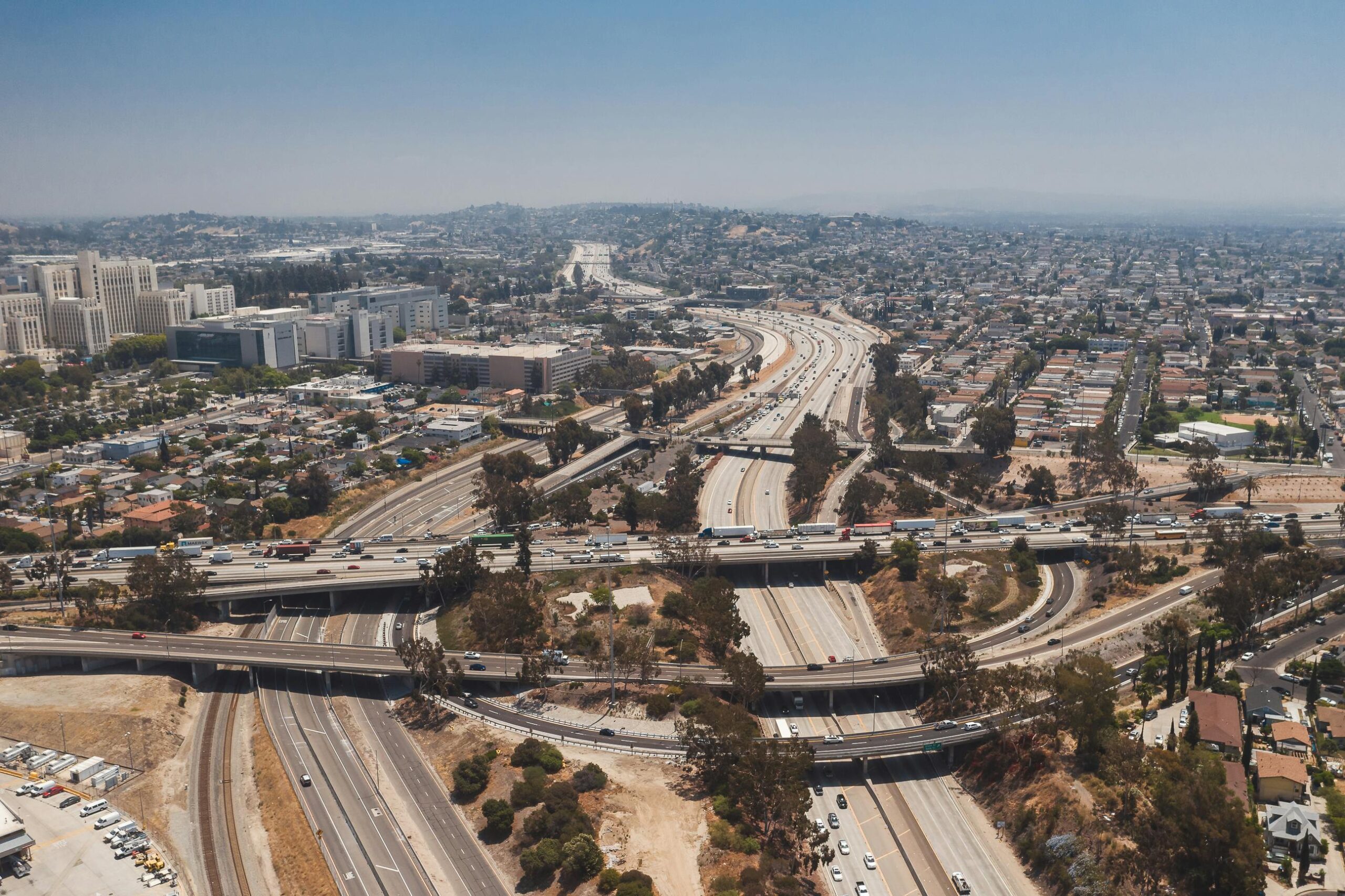
The final stretch of delivery—from distribution hub to doorstep—remains one of the most complex and costly challenges facing logistics providers today. 🚚

Last-mile delivery accounts for more than 50% of total shipping costs, making it a critical pressure point for e-commerce businesses, courier services, and logistics companies worldwide. As consumer expectations soar and delivery windows shrink, companies must navigate an increasingly difficult landscape split between densely packed urban centers and sprawling rural territories. Each environment presents unique obstacles that demand tailored solutions, innovative technologies, and strategic planning.
The pandemic accelerated online shopping adoption by nearly a decade, forcing delivery networks to evolve rapidly. What once seemed like a luxury—same-day delivery or precise time-slot options—has become the baseline expectation for millions of consumers. This transformation has exposed the fragility and inefficiency of traditional last-mile operations while simultaneously spurring unprecedented innovation in the sector.
The Urban Jungle: Where Traffic Meets Time Pressure ⏰
Cities represent both the greatest opportunity and the most frustrating challenge for last-mile delivery. High population density means more delivery stops per square mile, theoretically improving efficiency. However, urban environments introduce complications that quickly erode those theoretical gains.
Traffic congestion ranks among the top urban delivery obstacles. Delivery vehicles spend up to 28% of their time simply looking for parking spots in major metropolitan areas. Double-parking, restricted delivery zones, and peak-hour traffic restrictions force drivers into complex decision-making that impacts delivery speed and customer satisfaction.
Building access presents another layer of complexity. Apartment complexes with security systems, office buildings with reception protocols, and gated communities require additional coordination. Failed delivery attempts cost companies money and frustrate customers, yet they remain surprisingly common in urban settings where access protocols vary wildly from one address to the next.
Micro-Fulfillment Centers: Bringing Inventory Closer
Forward-thinking logistics companies have responded by establishing micro-fulfillment centers within urban cores. These compact warehouses, sometimes occupying just a few thousand square feet, position inventory closer to end consumers. By reducing the distance between storage and delivery, companies can offer faster delivery windows while reducing transportation costs.
These facilities often leverage automation technology to maximize efficiency in limited space. Robotic picking systems and AI-driven inventory management ensure that high-demand items remain accessible for rapid deployment. The strategy has proven particularly effective for grocery delivery services and quick-commerce platforms promising delivery within 15-30 minutes.
Alternative Delivery Modes Gaining Traction 🚴
Urban congestion has driven experimentation with alternative delivery vehicles. Cargo bikes, electric scooters, and even delivery robots have emerged as viable options for navigating crowded city streets. These solutions offer several advantages over traditional delivery vans:
- Greater maneuverability in tight spaces and heavy traffic
- Reduced environmental impact with electric or human-powered options
- Lower operating costs compared to fuel-powered vehicles
- Easier parking and building access
- Positive brand perception among environmentally conscious consumers
Major cities including Amsterdam, Copenhagen, and Portland have seen cargo bike delivery services flourish. These vehicles can carry surprising cargo volumes while avoiding traffic snarls that plague larger vehicles. For deliveries under 10 kilograms within a 5-kilometer radius, cargo bikes often outperform traditional vans in both speed and cost efficiency.
Rural Realities: Distance, Density, and Economic Viability 🌾
While urban delivery grapples with congestion and access, rural last-mile delivery faces the opposite problem: vast distances between delivery points and thin customer density. The economics become challenging when a driver might travel 30 minutes between stops, consuming fuel and time while generating minimal revenue.
Rural areas typically lack the infrastructure density that urban logistics depend upon. Limited distribution centers mean longer initial transportation legs. Poor road conditions can slow delivery vehicles and increase maintenance costs. Unreliable addresses and inadequate mapping data create additional complications, with drivers sometimes unable to locate delivery destinations using standard GPS systems.
Despite these challenges, rural customers increasingly expect delivery service parity with their urban counterparts. The digital divide may be narrowing, but the logistics divide remains stubbornly persistent. Companies that ignore rural markets miss significant revenue opportunities, yet serving these areas profitably requires fundamentally different approaches.
Consolidation and Route Optimization Technologies
Smart route optimization has become essential for rural delivery viability. Advanced algorithms analyze multiple variables simultaneously—package dimensions, delivery windows, road conditions, traffic patterns, and vehicle capacity—to generate the most efficient routes possible. These systems can reduce rural route times by 20-30% compared to manual planning.
Consolidation strategies help improve rural delivery economics. By coordinating deliveries across multiple carriers or combining residential and commercial stops, companies can achieve better vehicle utilization. Some rural areas have seen success with collaborative delivery models where competing logistics providers share routes and infrastructure to reduce collective costs.
Flexible Delivery Points and Extended Windows
Rural delivery often succeeds by embracing flexibility rather than fighting geography. Parcel lockers positioned in central community locations allow customers to collect packages at their convenience while giving carriers a single, predictable delivery point. Local businesses—gas stations, grocery stores, pharmacies—increasingly serve as package pickup locations, creating symbiotic relationships that benefit all parties.
Extended delivery windows provide another practical adaptation. While urban customers might expect next-day delivery, rural customers often accept 3-5 day windows in exchange for free or reduced shipping costs. Setting appropriate expectations prevents disappointment while allowing carriers to batch deliveries for improved efficiency.
Technology Bridging the Urban-Rural Divide 📱
Digital tools have become indispensable for modern last-mile operations across all environments. Real-time tracking systems provide transparency that builds customer trust while giving logistics managers visibility into operational performance. Customers can monitor package progress, receive accurate delivery estimates, and communicate preferences that improve first-attempt success rates.
Mobile applications empower delivery drivers with dynamic routing, digital proof-of-delivery, and instant communication channels. These tools reduce administrative burden while capturing data that informs continuous improvement efforts. Advanced platforms integrate weather data, traffic information, and historical delivery patterns to provide drivers with actionable intelligence.
Artificial intelligence and machine learning algorithms process massive datasets to identify patterns invisible to human analysis. Predictive analytics can forecast delivery volumes, allowing companies to allocate resources proactively. Machine learning models improve address accuracy, particularly valuable in rural areas where formal addressing systems may be inconsistent.
The Sustainability Imperative: Green Last-Mile Solutions 🌱
Environmental concerns have moved from peripheral consideration to central strategy in last-mile logistics. Transportation accounts for approximately 29% of greenhouse gas emissions, with last-mile delivery contributing disproportionately due to inefficient routes and low vehicle utilization rates.
Electric vehicle adoption has accelerated as battery technology improves and charging infrastructure expands. Major delivery companies have committed to electric fleet transitions, with Amazon ordering 100,000 electric delivery vans and UPS deploying electric vehicles across multiple markets. These investments reduce emissions while lowering long-term operating costs as electric vehicles require less maintenance than combustion engines.
Packaging innovation contributes to sustainability efforts beyond vehicle choices. Right-sizing packages reduces wasted space in delivery vehicles, improving load efficiency. Returnable packaging systems eliminate single-use materials for certain delivery types. Biodegradable materials replace traditional plastics where possible, reducing environmental impact throughout the supply chain.
Carbon-Neutral Delivery Options
Consumer demand for sustainable delivery has prompted companies to offer carbon-neutral shipping options. These programs typically involve carbon offset purchases, electric vehicle deployment, and route optimization to minimize environmental impact. While debates continue about offset program effectiveness, they demonstrate responsiveness to customer values and position companies favorably with environmentally conscious consumers.
The Economics of Last-Mile Innovation 💰
Financial pressure drives much last-mile innovation. With profit margins thin and competition fierce, companies must continuously seek efficiency improvements. The following table illustrates typical cost breakdowns for urban versus rural last-mile delivery:
| Cost Component | Urban Delivery | Rural Delivery |
|---|---|---|
| Transportation/Fuel | 25% | 40% |
| Labor | 45% | 35% |
| Failed Deliveries | 15% | 8% |
| Vehicle Maintenance | 8% | 12% |
| Other Costs | 7% | 5% |
These figures reveal fundamentally different cost structures requiring tailored approaches. Urban delivery demands labor efficiency and failed-delivery reduction, while rural operations must focus on transportation optimization and route consolidation.
Dynamic Pricing and Customer Choice
Some companies have embraced dynamic pricing models that reflect true delivery costs. Customers can choose between premium same-day options and economy services with longer windows and lower prices. This approach allows logistics providers to smooth demand, reward flexible customers with discounts, and capture willingness-to-pay from time-sensitive consumers.
Transparent pricing builds customer understanding of delivery complexity. When consumers see the cost differential between urban and rural delivery or between standard and expedited service, they make more informed decisions that align with their actual needs rather than defaulting to the fastest option regardless of necessity.
Autonomous Delivery: Future or Fantasy? 🤖
Autonomous delivery vehicles and drones generate tremendous media attention and investor interest. These technologies promise to address labor shortages, reduce costs, and enable 24/7 operations without human limitations. However, practical deployment faces significant obstacles.
Regulatory frameworks remain underdeveloped for autonomous deliveries. Safety concerns, liability questions, and public acceptance issues slow deployment even where technology proves capable. Drone deliveries face airspace restrictions, weather limitations, and payload constraints that limit practical applications to specific use cases rather than broad deployment.
Ground-based delivery robots have seen more immediate success in controlled environments. College campuses, corporate parks, and planned communities provide ideal testing grounds with predictable conditions and supportive stakeholders. These robots handle small packages over short distances, complementing rather than replacing traditional delivery methods.
Workforce Considerations in Evolving Delivery Models 👷
Delivery personnel remain central to last-mile success despite technological advances. Driver shortages plague the industry, with demanding working conditions and modest compensation creating recruitment and retention challenges. Companies increasingly recognize that workforce investment yields operational dividends through improved service quality and reduced turnover costs.
Training programs help drivers develop efficiency skills while maintaining safety standards. Technology training ensures workers can leverage digital tools effectively. Customer service education improves interaction quality, recognizing that delivery drivers serve as brand ambassadors during crucial customer touchpoints.
Gig economy models have transformed last-mile delivery workforce structures. Platforms connecting independent contractors with delivery opportunities provide flexibility valued by workers while offering companies variable capacity that scales with demand. However, these models face increasing scrutiny regarding worker classification, benefits, and labor protections.
Customer Communication: Setting Expectations and Building Trust 📬
Transparent communication throughout the delivery journey significantly impacts customer satisfaction. Proactive notifications about dispatch, transit status, and estimated arrival times reduce customer anxiety and decrease support inquiries. When delays occur, honest communication with updated expectations maintains trust better than silence or unrealistic promises.
Delivery preference collection improves first-attempt success rates. Allowing customers to specify safe drop locations, provide access instructions, or select alternative delivery dates prevents failed attempts that frustrate customers and increase logistics costs. These preferences, stored in customer profiles, improve future delivery efficiency.

Adapting Strategies for Lasting Success 🎯
Last-mile delivery will continue evolving as technology advances, consumer expectations shift, and competitive pressures intensify. Successful companies embrace flexibility, continuously testing new approaches while maintaining operational excellence in current methods. Neither urban nor rural delivery offers a one-size-fits-all solution; context-specific strategies acknowledge unique challenges and opportunities in each environment.
Collaboration across industry stakeholders may unlock solutions impossible for individual companies. Shared infrastructure, standardized data formats, and coordinated delivery windows could benefit entire ecosystems. Competitive cooperation—competing for customers while collaborating on infrastructure—may define the next chapter of last-mile evolution.
The companies that master last-mile delivery will combine technological sophistication with human-centered service design. They will leverage data analytics while respecting customer privacy, deploy automation while valuing human workers, and pursue efficiency while maintaining sustainability commitments. The last mile represents both the final frontier of logistics excellence and the most visible brand touchpoint with customers.
As delivery networks grow more complex and customer expectations continue rising, the organizations that thrive will be those viewing last-mile challenges not as problems to solve once but as opportunities for continuous innovation. The urban hustle and rural reach that define modern delivery challenges also define the competitive battleground where logistics leaders will emerge.