
In today’s hyper-connected global landscape, nations face unprecedented challenges in maintaining their sovereignty while participating in international systems that demand cooperation and interdependence.

🌍 The New Era of National Identity and Global Connection
The concept of sovereignty has evolved dramatically since the Treaty of Westphalia established the modern nation-state system in 1648. Today’s guardians of independence operate in a radically different environment where digital borders are as significant as physical ones, and where economic interdependence can both strengthen and threaten national autonomy.
Modern sovereignty extends beyond territorial integrity to encompass digital infrastructure, economic resilience, cultural preservation, and the ability to make autonomous policy decisions. Countries must now protect themselves from cyber threats, economic coercion, information warfare, and cultural homogenization while simultaneously benefiting from global trade, technological advancement, and international cooperation.
The guardians of this delicate balance include not just military forces and diplomatic corps, but also cybersecurity experts, economic strategists, cultural preservationists, and civil society organizations. Each plays a vital role in ensuring that nations can thrive in an interconnected world without sacrificing their fundamental right to self-determination.
The Multiple Dimensions of Modern Sovereignty
Sovereignty in the 21st century manifests across several interconnected domains, each requiring specialized protection and strategic thinking. Understanding these dimensions is crucial for developing comprehensive approaches to maintaining independence in a globalized context.
Digital Sovereignty and Cyber Defense 🛡️
Perhaps no domain has emerged as more critical to national sovereignty than the digital realm. Countries worldwide are investing billions in cybersecurity infrastructure to protect critical systems from state-sponsored attacks, criminal organizations, and sophisticated hackers.
Digital sovereignty involves more than just defense against cyber attacks. It encompasses data localization policies, control over telecommunications infrastructure, development of indigenous technology platforms, and the ability to regulate digital services within national borders. Nations like Estonia have become models for digital governance, demonstrating how small countries can leverage technology to strengthen rather than compromise sovereignty.
The challenge intensifies as more government services, economic transactions, and social interactions migrate online. Cloud computing, artificial intelligence, and the Internet of Things create new vulnerabilities that require constant vigilance and adaptation. Countries must balance openness to innovation with protection of critical digital infrastructure.
Economic Independence in Interdependent Markets
Global supply chains connect virtually every economy on Earth, creating efficiency and prosperity but also strategic vulnerabilities. The COVID-19 pandemic exposed how dependence on foreign manufacturing for essential goods can threaten national security and public health.
Economic guardians of sovereignty work to diversify supply chains, strengthen domestic manufacturing capabilities, and develop strategic reserves of critical materials and products. This doesn’t mean retreating into autarky, which would be economically disastrous, but rather pursuing strategic autonomy in key sectors while maintaining beneficial trade relationships.
Financial sovereignty represents another crucial dimension. Countries that control their monetary policy, maintain stable currencies, and resist excessive foreign debt enjoy greater autonomy in domestic and foreign policy. The rise of digital currencies and payment systems controlled by foreign corporations or governments adds new complexity to this challenge.
Cultural Identity in a Globalized World 🎭
Cultural sovereignty often receives less attention than military or economic dimensions, but it may be equally important for long-term national identity and cohesion. The dominance of global media conglomerates, social media platforms, and entertainment industries concentrated in a few countries creates powerful cultural influence that can gradually erode local traditions and values.
Protecting cultural sovereignty doesn’t mean isolation or xenophobia. Rather, it involves supporting local content creators, preserving indigenous languages and traditions, promoting cultural education, and ensuring diverse voices can be heard amid global cultural flows. Countries like France and South Korea have successfully balanced openness to global culture with strong support for domestic cultural production.
The challenge intensifies with younger generations who grow up consuming primarily foreign content through streaming platforms and social media. Guardians of cultural sovereignty must make local culture relevant and appealing while respecting individual freedom of choice.
The Role of International Institutions and Agreements
International organizations and treaties create a paradox for sovereignty. They can both constrain national autonomy through binding rules and protect smaller nations from domination by larger powers. Understanding how to navigate this paradox is essential for modern statesmanship.
Strategic Participation in Global Governance
Nations must carefully evaluate which international commitments serve their interests and which compromise their sovereignty beyond acceptable limits. The European Union represents the most extensive voluntary pooling of sovereignty in history, with member states ceding significant authority to supranational institutions in exchange for economic benefits and collective security.
Other organizations like the United Nations, World Trade Organization, and regional bodies offer platforms for smaller nations to amplify their voice and constrain powerful states through multilateral rules. Strategic participation means engaging actively in rule-making processes to shape international norms in ways that protect national interests.
However, sovereignty also means retaining the right to withdraw from agreements that no longer serve national interests, as Brexit demonstrated. The key is maintaining this optionality while building relationships based on mutual benefit and shared values.
Bilateral Relationships and Alliance Management
Bilateral relationships remain fundamental to protecting sovereignty, particularly for smaller nations that need partners to balance against potential threats. Alliances like NATO demonstrate how collective security arrangements can enhance rather than diminish sovereignty by deterring aggression.
The art lies in cultivating relationships that provide security and economic benefits without creating excessive dependence on any single partner. Countries like Singapore and Switzerland have mastered this balance through strategic diversification of relationships and maintenance of valuable neutrality.
Emerging Threats to National Sovereignty ⚠️
New challenges to sovereignty emerge constantly, requiring adaptability and foresight from guardians of independence. Understanding these evolving threats is essential for developing effective protective strategies.
Information Warfare and Narrative Control
The ability to control information flows within and about one’s country has become a critical sovereignty issue. Foreign governments and non-state actors can use social media, fake news, and sophisticated propaganda to influence elections, undermine social cohesion, and shape international perceptions.
Countering information warfare requires media literacy programs, support for quality journalism, rapid response capabilities to counter false narratives, and sometimes regulation of social media platforms. However, these measures must be balanced against freedom of expression and avoiding the slide into authoritarian information control.
Climate Change and Environmental Sovereignty
Climate change represents a unique threat to sovereignty because it ignores borders and cannot be addressed unilaterally. Rising sea levels literally threaten the territorial existence of island nations, while extreme weather events, resource scarcity, and climate-driven migration create instability that can overwhelm state capacity.
Environmental sovereignty involves protecting natural resources, managing shared resources like rivers and fisheries, and maintaining autonomy in environmental policy. Countries must cooperate internationally on climate action while ensuring that solutions don’t compromise their development needs or strategic interests.
Building Resilient Institutions for Sovereign Protection 🏛️
Strong institutions form the foundation for maintaining sovereignty in an interconnected world. These institutions must be capable of defending national interests while remaining accountable to citizens and adaptable to changing circumstances.
Democratic institutions with genuine checks and balances prove more resilient over time than authoritarian systems, despite their occasional appearance of greater efficiency. Democracy allows for peaceful power transitions, policy corrections, and legitimacy that authoritarian regimes struggle to maintain.
Professional civil services, independent judiciaries, free media, and robust educational systems all contribute to institutional resilience. These institutions must be protected from both foreign interference and domestic attempts to undermine them for short-term political gain.
Civil Society as Guardians of Independence
Government institutions alone cannot protect sovereignty. Civil society organizations, including non-governmental organizations, professional associations, religious groups, and community organizations, play vital roles in maintaining national cohesion and resisting both external pressure and internal authoritarianism.
A vibrant civil society creates multiple centers of power and initiative, making countries more resilient to both foreign interference and government overreach. It also provides mechanisms for citizens to participate in protecting their national independence and democratic values.
Strategic Autonomy Without Isolation 🌐
The goal for modern nations should be strategic autonomy rather than absolute independence or self-sufficiency. Strategic autonomy means maintaining the capacity to make autonomous decisions in critical areas while benefiting from international cooperation and exchange.
This approach requires identifying truly critical sectors where dependence creates unacceptable vulnerability, while accepting interdependence in areas where it provides mutual benefit without strategic risk. Different countries will draw these lines differently based on their size, geography, history, and values.
Small nations like Singapore, Switzerland, and Nordic countries demonstrate that size doesn’t preclude sovereignty or influence. Through strategic thinking, institutional excellence, and careful relationship management, smaller states can maintain meaningful autonomy while prospering in a globalized system.
The Human Element in Sovereignty Protection 👥
Ultimately, sovereignty depends on people willing to defend it. This includes not just military personnel but citizens who understand their national identity, value their independence, and actively participate in democratic processes.
Education plays a crucial role in cultivating this civic consciousness. Citizens need to understand their history, political system, and the challenges facing their nation in an interconnected world. They must also develop critical thinking skills to resist manipulation and make informed decisions about their country’s future.
National identity provides the psychological foundation for sovereignty. Without a shared sense of identity and purpose, nations struggle to maintain cohesion and resist external pressure. However, this identity must be inclusive and forward-looking rather than exclusive and backward-looking to remain viable in diverse, modern societies.
Looking Forward: Sovereignty in Tomorrow’s World 🔮
The future will likely bring new challenges to sovereignty that we can barely imagine today. Emerging technologies like artificial intelligence, quantum computing, biotechnology, and space exploration will create new domains of competition and cooperation.
Climate change will reshape the geopolitical landscape, potentially creating new conflicts over resources while forcing unprecedented levels of international cooperation. Digital technologies will continue blurring physical borders while creating new possibilities for both surveillance and freedom.
The guardians of independence in future decades will need to be more sophisticated, technologically capable, and internationally minded than ever before. They must defend sovereignty not as a relic of the past but as an essential principle for a world where diverse peoples can chart their own courses while cooperating on shared challenges.
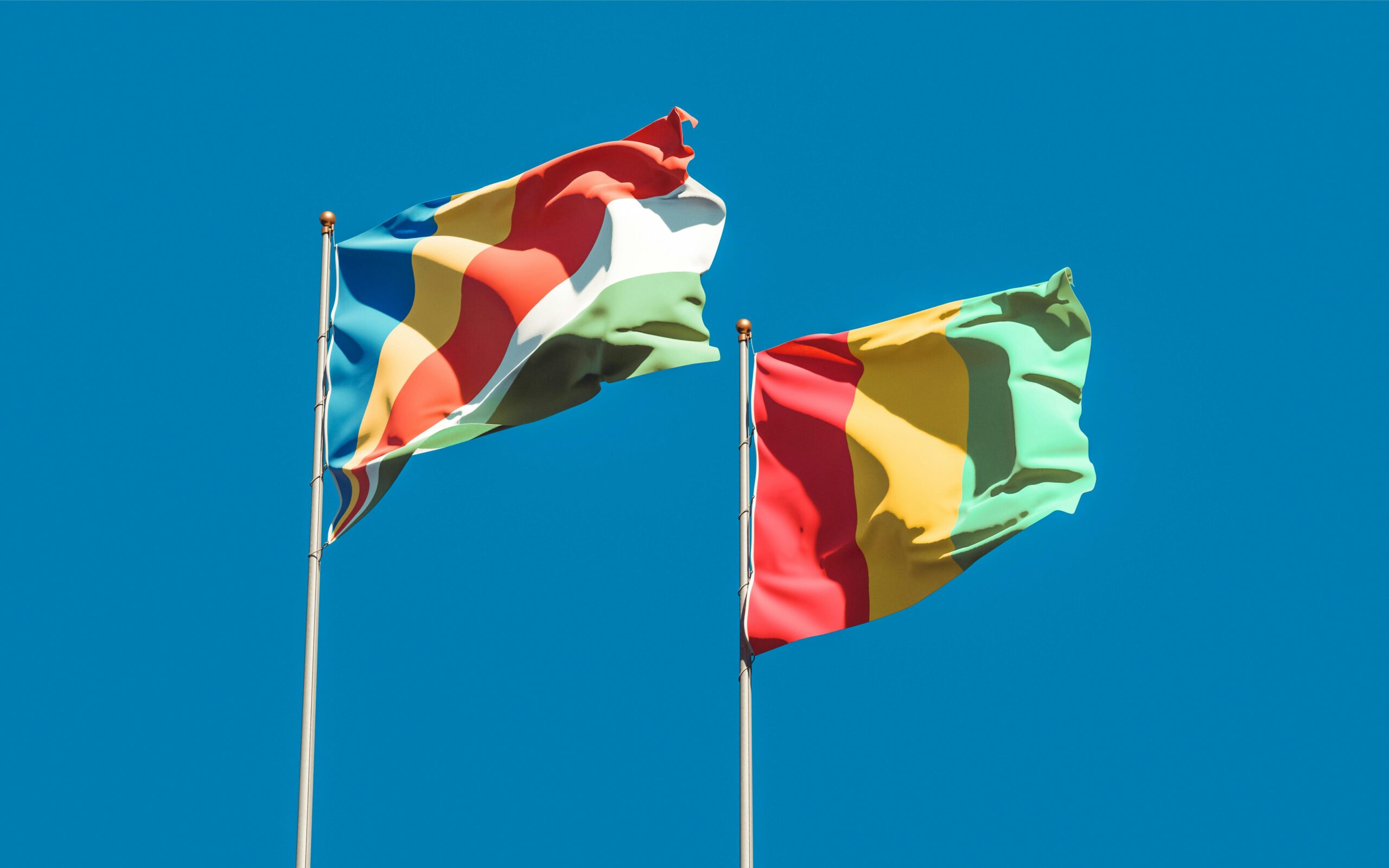
Balancing Act: Cooperation and Independence
The central challenge for guardians of sovereignty in an interconnected world is maintaining the balance between necessary cooperation and essential independence. This requires wisdom, strategic thinking, and constant adaptation to changing circumstances.
Nations that retreat into isolation will find themselves increasingly irrelevant and vulnerable. Those that surrender too much autonomy to international institutions or powerful partners will lose the ability to protect their interests and values. The path forward lies in engaged sovereignty—active participation in international systems while maintaining the capacity for autonomous action when vital interests are at stake.
Success requires building strong institutions, cultivating engaged citizens, maintaining diverse international relationships, investing in critical capabilities, and preserving cultural identity. It means being strong enough to defend oneself but wise enough to cooperate when cooperation serves mutual interests.
The guardians of independence in the 21st century face unprecedented challenges, but they also have access to unprecedented tools and knowledge. By learning from history, understanding present complexities, and anticipating future challenges, nations can protect their sovereignty while thriving in an interconnected world. The task is difficult but essential, for a world of diverse, independent nations cooperating on shared challenges offers far more promise than either anarchy or hegemony.
As we move deeper into this century, the concept of sovereignty will continue evolving, but its essence remains vital. The right of peoples to determine their own destiny, to preserve their cultures and values, and to make autonomous decisions about their future must be defended even as we recognize our common humanity and shared challenges. This is the sacred trust of all who serve as guardians of independence in our complex, interconnected world.