
In today’s fast-paced world, change isn’t just constant—it’s accelerating. The ability to adapt has become the defining skill that separates those who thrive from those who merely survive.

Every aspect of modern life is transforming at unprecedented speed. Technology reshapes industries overnight, social norms evolve rapidly, and global events force us to reimagine our daily routines. Whether it’s artificial intelligence revolutionizing the workplace, climate change altering our environment, or unexpected global disruptions affecting our communities, adaptation isn’t optional anymore—it’s essential for survival and success.
The remarkable truth is that humans are naturally designed for adaptation. Our ancestors survived ice ages, droughts, and countless challenges precisely because they could adjust their strategies when circumstances changed. Yet despite this evolutionary advantage, many people struggle with change because they’ve forgotten how to access their innate adaptive capabilities.
🧠 Understanding the Psychology Behind Resistance to Change
Before mastering adaptation, we must understand why our brains resist change in the first place. This resistance isn’t a flaw—it’s a feature designed to keep us safe. Our neural pathways favor familiar patterns because predictability once meant survival. When faced with change, our amygdala triggers stress responses that can feel overwhelming.
The comfort zone, though often criticized, serves an important psychological function. It represents a state where stress and anxiety are minimized because outcomes are predictable. Stepping outside this zone activates our threat-detection systems, creating discomfort that many interpret as danger rather than growth opportunity.
Research in neuroplasticity reveals encouraging news: our brains remain adaptable throughout life. The neural connections we build through repeated behaviors can be rewired through conscious effort and practice. Understanding this biological reality empowers us to approach change differently—not as something that happens to us, but as something we can actively shape.
The Cost of Avoiding Change
Resisting adaptation carries significant consequences in our rapidly evolving world. Professionals who cling to outdated skills find themselves increasingly irrelevant in the job market. Businesses that refuse to innovate watch competitors capture their customers. Individuals who resist personal growth often experience stagnation, regret, and diminished life satisfaction.
The velocity of change means that standing still is effectively moving backward. What worked brilliantly five years ago might be completely obsolete today. This reality applies to career strategies, relationship approaches, health practices, and virtually every domain of human experience.
🌱 Cultivating an Adaptive Mindset
The foundation of thriving through change lies in developing what psychologist Carol Dweck calls a “growth mindset”—the belief that abilities and intelligence can be developed through dedication and hard work. This contrasts sharply with a fixed mindset, which views talents as static traits that can’t be significantly changed.
People with adaptive mindsets view challenges as opportunities rather than threats. They see failure as feedback rather than defeat. When faced with setbacks, they ask “What can I learn?” instead of “Why does this always happen to me?” This subtle shift in perspective dramatically alters outcomes over time.
Building Resilience Through Intentional Practice
Resilience—the capacity to recover quickly from difficulties—can be systematically developed. Start by intentionally exposing yourself to small, manageable changes in low-stakes situations. Try a new route to work, experiment with unfamiliar foods, or learn a skill outside your expertise. These micro-adaptations train your brain to become comfortable with novelty.
Meditation and mindfulness practices significantly enhance adaptive capacity by strengthening your ability to observe thoughts and emotions without being controlled by them. When change triggers anxiety, mindful awareness creates space between stimulus and response, allowing for more thoughtful choices rather than reactive behaviors.
📊 Strategic Approaches to Managing Change
Successful adaptation requires more than positive thinking—it demands practical strategies that can be implemented systematically. The following framework provides a structured approach to navigating transitions effectively.
The ADAPT Framework
- Assess the situation objectively: Remove emotional reactions temporarily and evaluate changes based on facts rather than fears or assumptions.
- Develop multiple response options: Flexibility requires having several potential paths forward rather than committing to a single approach.
- Act decisively but remain flexible: Take action based on current information while staying open to course corrections as new data emerges.
- Practice self-compassion: Adaptation involves mistakes and setbacks; treating yourself with kindness maintains motivation during difficult transitions.
- Track progress and adjust: Regular reflection on what’s working and what isn’t enables continuous refinement of your adaptive strategies.
This framework provides structure without rigidity, allowing you to maintain direction while remaining responsive to evolving circumstances. The key is consistent application rather than perfect execution.
💼 Thriving Through Professional Disruption
The workplace represents one of the most volatile environments for change today. Automation, artificial intelligence, remote work trends, and shifting economic conditions create constant disruption. Professionals who thrive develop specific competencies that transcend particular jobs or industries.
Continuous learning has shifted from being advantageous to absolutely essential. The half-life of skills—the time it takes for knowledge to become obsolete—continues shrinking across most fields. Successful professionals dedicate regular time to acquiring new capabilities, whether through formal education, online courses, mentorship, or self-directed study.
Future-Proofing Your Career
Rather than specializing narrowly, cultivate a “T-shaped” skill profile: deep expertise in one area combined with broad knowledge across multiple domains. This combination provides stability through expertise while maintaining adaptability through diverse capabilities.
Develop meta-skills that remain valuable regardless of technological disruption: critical thinking, creative problem-solving, emotional intelligence, effective communication, and collaborative capacity. These fundamentally human abilities complement rather than compete with technological advancement.
Build a diverse professional network that extends beyond your immediate industry. Cross-pollination of ideas from different fields often generates innovative solutions and reveals opportunities invisible from within a single sector.
🏠 Navigating Personal Life Transitions
Change infiltrates our personal lives just as dramatically as our professional ones. Relationships evolve, health circumstances shift, family structures transform, and personal priorities change as we age. Thriving through these transitions requires different strategies than workplace adaptation.
Major life changes—relocations, relationship endings, health diagnoses, or loss of loved ones—often trigger identity crises because we define ourselves partly through stable external factors. When these factors shift, we’re forced to reconstruct our self-concept, which can be disorienting but also offers opportunities for authentic growth.
Creating Stability Amid Chaos
During turbulent periods, intentionally maintaining certain routines provides psychological anchors. Morning rituals, exercise habits, creative practices, or regular connection with loved ones create islands of predictability that reduce overall stress and maintain a sense of control.
Community support dramatically affects how successfully people navigate personal transitions. Isolation amplifies difficulty while connection provides perspective, practical assistance, and emotional validation. Actively maintaining relationships—even when change makes you want to withdraw—pays significant dividends.
🌍 Adapting to Societal and Environmental Changes
Individual adaptation increasingly requires responding to massive systemic changes beyond personal control: climate disruption, political instability, technological transformation, and cultural evolution. While we can’t control these forces, we can control our responses to them.
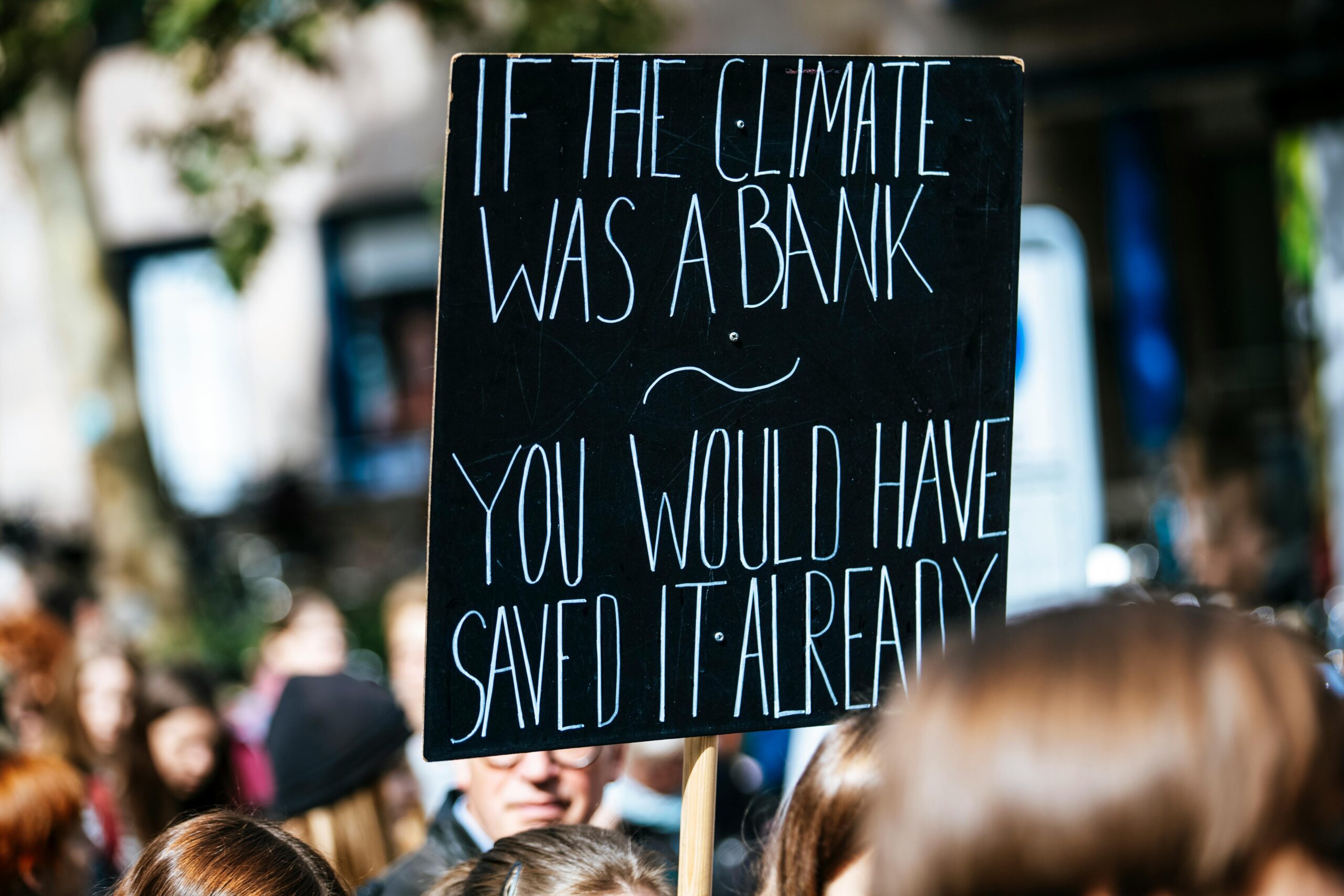
Climate adaptation exemplifies this challenge. Rising temperatures, extreme weather events, and environmental degradation require both individual and collective adjustments. Thriving means proactively preparing—whether through sustainable lifestyle choices, disaster preparedness, or supporting systemic solutions—rather than reactively scrambling when crises strike.
Digital transformation reshapes social interaction, information consumption, and even cognitive processes. Successful adaptation means thoughtfully engaging with technology rather than either uncritically embracing every innovation or rejecting technological progress entirely. Develop digital literacy and maintain boundaries that protect wellbeing while leveraging tools that genuinely enhance life.
🔧 Practical Tools and Techniques for Daily Adaptation
Theory matters little without practical implementation. The following concrete techniques can be immediately applied to enhance adaptive capacity in everyday situations.
The Daily Flexibility Practice
Dedicate ten minutes daily to intentionally doing something differently. Change your morning routine, take a different perspective on a recurring problem, or approach a familiar task using an unfamiliar method. This practice trains your brain to default toward curiosity rather than habit.
Scenario Planning for Personal Decisions
When facing uncertainty, develop three scenarios: best case, worst case, and most likely case. For each scenario, identify specific actions you could take. This mental rehearsal reduces anxiety and prepares you to respond effectively regardless of how situations unfold.
The Reset Ritual
Create a personal ritual to mark transitions and reset your mindset. This might involve journaling, a specific breathing exercise, or a brief walk. Having a consistent process for processing change helps maintain equilibrium during multiple simultaneous transitions.
🚀 Turning Change Into Competitive Advantage
The most successful individuals and organizations don’t just survive change—they leverage it. While others scramble to adapt, those who’ve mastered adaptation see disruption as opportunity. This requires shifting from defensive to offensive positioning regarding change.
Develop the habit of asking “How might this change benefit me?” before “How might this change harm me?” This simple reframing activates creative problem-solving rather than threat responses. Even genuinely difficult changes usually contain hidden opportunities for those willing to look for them.
First-mover advantage often accrues to those who embrace change early. While being too far ahead of trends carries risks, being slightly early typically positions you advantageously as others eventually catch up. Cultivate pattern recognition skills that help identify significant shifts before they become obvious to everyone.
💪 Building Your Personal Change Capacity
Like physical fitness, adaptive capacity improves through consistent training. The following practices systematically enhance your ability to thrive through transitions of all types and scales.
Regular discomfort exposure strengthens adaptive muscles. Intentionally step outside your comfort zone in small ways frequently rather than waiting for life to force major adjustments. Learn new skills, engage with unfamiliar ideas, interact with diverse people, and explore unknown places. Each experience builds confidence in your ability to handle novelty.
Reflection practices create the feedback loops necessary for improvement. After navigating changes—whether successfully or not—analyze what worked, what didn’t, and why. This metacognitive practice accelerates learning and prevents repeating ineffective patterns.
Physical health dramatically impacts mental adaptability. Exercise, nutrition, and sleep affect stress hormones, cognitive function, and emotional regulation—all critical factors in managing change effectively. Prioritizing physical wellbeing isn’t separate from adaptation; it’s foundational to it.
🌟 Embracing the Adventure of Uncertainty
Ultimately, thriving through change requires more than techniques and strategies—it requires a fundamental reorientation toward uncertainty itself. Rather than viewing unpredictability as something to be feared or eliminated, successful adapters embrace it as the essential nature of a dynamic universe.
This doesn’t mean being reckless or unprepared. It means accepting that perfect security is impossible and that the pursuit of total control often creates more suffering than the uncertainty it aims to eliminate. When you stop fighting against the reality of change, energy previously spent resisting becomes available for creating positive outcomes.
Children demonstrate this adaptive orientation naturally. They approach new situations with curiosity rather than fear, experiment without being paralyzed by potential failure, and recover from setbacks with remarkable speed. While adult responsibilities require more caution than childhood allows, reconnecting with some of that childlike openness to experience enhances adaptive capacity.
The world will continue changing at accelerating rates. Technologies we can’t yet imagine will reshape society. Climate patterns will shift. Economic systems will evolve. Unexpected events will disrupt plans. These facts aren’t pessimistic predictions—they’re simply the nature of existence in a complex, interconnected world.
Your choice isn’t whether change will occur. Your choice is whether you’ll approach these inevitable transitions with dread or excitement, resistance or curiosity, rigidity or flexibility. By developing the mindset, strategies, and practices outlined throughout this article, you position yourself not just to survive change, but to genuinely thrive through it.
The most inspiring aspect of human adaptation is that it’s never too late to develop. Regardless of your age, background, or current circumstances, you can cultivate greater flexibility, resilience, and creative response to change. Each small step toward adaptability compounds over time, creating exponential rather than linear improvement in your capacity to navigate uncertainty.
Start where you are, with what you have, right now. Choose one small change to embrace today. Practice responding to minor disruptions with curiosity rather than irritation. Build the habits and mindsets that will serve you through whatever transformations tomorrow brings. The future belongs to those who can dance with change rather than being paralyzed by it. Your thriving future awaits—not despite change, but because of your mastery in adapting to it. 🌈